
Leisure, in the strict sense, refers to any activity practiced outside of constrained time (work, domestic obligations, travel). This simple definition conceals a real difficulty: among the dozens of available categories, finding one that corresponds to financial means, physical condition, and local regulations requires a minimum of method.
Filtering leisure activities by budget, energy, and local regulations
Most lists of leisure ideas present suggestions without hierarchy. The result: activities that look appealing on paper but are unsuitable when faced with the reality of one’s wallet or schedule.
The first filter to apply is recurring cost, not just the entry price. A climbing gym membership may seem affordable on a per-visit basis, but the monthly subscription, equipment rental, and transportation change the bill. Comparing the cost per hour of actual practice gives a more accurate picture.
The second filter concerns energy level. A mountain hike and a board game do not require the same resources. Adapting the type of activity to one’s current fitness level prevents giving up after a few weeks. To explore a wide range of options categorized by type, the Zetop.fr website dedicated to leisure allows navigation between sports disciplines, cultural outings, and hands-on activities.
The third filter, often overlooked, pertains to local regulations. Some outdoor practices are governed by departmental or municipal orders. Recreational shellfish gathering, for example, requires adherence to minimum catch sizes, allowed periods, and specific techniques depending on the department, as noted by the official site pecheapied-loisir.fr. Ignoring these constraints exposes one to fines and, more importantly, to unsustainable practices.

Outdoor leisure: hybrid formats and themed trails
Outdoor activities are no longer limited to Sunday strolls. The offer of themed outdoor leisure is growing in several French regions, with trails that combine physical effort, storytelling, and digital tools.
In the Jura, the offer ranges from cycling and mountain biking to adventure games accessible via dedicated mobile apps. These hybrid formats target both families with children and groups of friends looking for a collective challenge.
Criteria for choosing a suitable outdoor leisure activity
- The distance from home: a journey of more than an hour reduces the frequency of practice and increases transportation costs, which can ultimately discourage participation
- The required physical level: some adventure trails have age, height, or fitness restrictions that are best checked before booking
- Seasonality: activities like canyoning or via ferrata are only available for a few months a year depending on the weather and prefectural orders
The rise of online booking makes access to these leisure activities easier. The “near you” logic promoted by booking platforms reflects a growing demand for local activities with immediate availability, without heavy planning.
At-home activities and creative hobbies: free time without travel
Not all leisure activities require going out. At-home activities occupy a significant place in the free time of the French, and their diversity far exceeds just watching series.
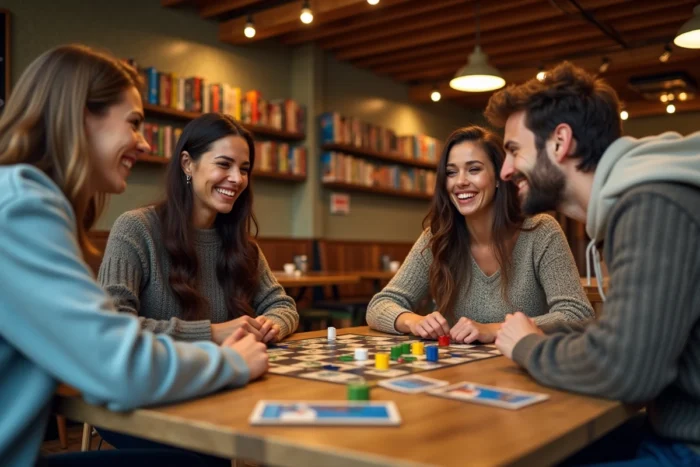
Cooking, hands-on workshops (pottery, sewing, woodworking), and board games are low-cost entry options. The basic materials for a creative workshop represent a modest investment, and technical progression maintains motivation over time.
Adapting home leisure to one’s profile
A leisure activity practiced regularly is better than a spectacular activity abandoned after two sessions. For those with little energy at the end of the day, reading, drawing, or listening to music offers active recovery without time constraints. For those seeking social stimulation, multiplayer online games or group classes via video conferencing recreate a connection without travel.
Access to the internet has multiplied formats: video tutorials, live courses, practice communities. However, this abundance requires selecting one or two activities rather than flitting between ten, lest one fail to progress in any.
Sports and sporting leisure: a rapidly expanding offer
The sector of commercial sporting leisure is experiencing marked growth in France. Themed gyms, trampoline parks, padel courts, aquatic centers with fun courses: the offer is segmenting to reach diverse audiences.
This diversification has a concrete effect on consumer choice. Where sports often boiled down to an associative club with an annual commitment, pay-per-session or monthly options allow testing before committing.
- Indoor adventure parks offer sessions of one to two hours, suitable for families and groups of friends, without long-term registration
- Occasional group classes (climbing, boxing, yoga) allow varying disciplines over the weeks without a fixed subscription
- Booking apps display available slots in real-time, reducing friction between desire and practice
Before choosing, checking recent reviews and cancellation policies remains a useful reflex. A serious provider transparently displays its prices, access conditions, and any age or health restrictions.
Choosing a leisure activity is best approached as a practical decision rather than a quest for inspiration. Real budget, available energy, and local regulatory framework form a triangle that quickly eliminates unsuitable options and highlights those that will endure over time.