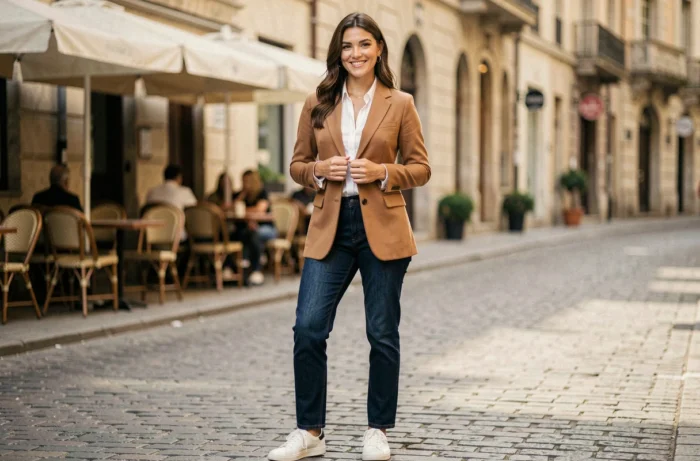
The fashion trends for 2024 are reflected through two parallel movements: on one side, wardrobes that draw from the codes of the 90s and romanticism; on the other, a structural rise in second-hand clothing and textile traceability demands driven by European regulations. Measuring these two dynamics allows us to understand what truly shapes daily style this year.
Second-hand and digital passport: the data reshaping the wardrobe
The fashion market is no longer limited to new offerings. Recent reports from ThredUp confirm that the growth of second-hand exceeds that of new, particularly since 2025. This shift is not trivial: it alters purchasing habits and the composition of wardrobes.
On the regulatory side, the European regulation ESPR places textiles among the priority categories for the Digital Product Passport. In practical terms, brands selling in the European Union must integrate a digital product passport into their compliance timeline. This system will make visible the origin of materials, manufacturing conditions, and the estimated durability of each garment.
| Criteria | Classic new purchase | Second-hand purchase |
|---|---|---|
| Material traceability | Variable by brand | Often absent, except for certified platforms |
| Impact of the Digital Product Passport | Mandatory in the long term for EU sales | Not required for resale between individuals |
| Access to trendy pieces for 2024 | Current collections, catalog prices | Vintage or recent pieces at reduced prices |
| Wardrobe rotation | Seasonal purchases | Frequent renewal, controlled budget |
This table highlights a key gap: the digital passport will not cover the resale market between individuals, creating an information asymmetry for buyers. Those building their style through second-hand must verify the quality and composition of pieces themselves.
To delve deeper into these topics, several resources compile analyses on fashion and advice on Blognet News that allow tracking these developments season after season.

Color and cut trends for 2024: what the runways really convey
Harper’s Bazaar France, relying on the analysis of Dinah Sultan (trend stylist at the Peclers agency), identifies five major axes for 2024. Two of them deserve particular attention because they directly translate into the daily wardrobe.
Revisited romanticism versus utilitarianism
The romantic trend focuses on volumes, airy textures, and powdery colors. Meanwhile, utilitarian and gorpcore codes (technical clothing repurposed into urban outfits) remain very present. These two directions coexist within the same collections, offering a freedom of combination rarely seen in previous seasons.
A daily look can combine a ruffled dress with a cargo jacket without the whole appearing incoherent. The key lies in the choice of colors: neutral shades (beige, khaki, off-white) serve as a binding element between pieces with opposing codes.
The return of the 90s and affirmed femininity
The essentialism of the 90s manifests through clean cuts, fluid materials, and a limited palette. In contrast, the trend towards exaggerated femininity pushes for structured silhouettes, defined waists, and more visible accessories. These two currents do not exclude each other: they alternate depending on the context (office, weekend, evening).
- For a 90s style in daily life: favor a medium-rise straight jean, a tucked-in plain t-shirt, and white sneakers. The wardrobe is based on a maximum of three colors per outfit.
- To integrate affirmed femininity: a midi skirt or a fitted dress with bold accessories (wide belt, geometric earrings) is enough to change the register.
- To mix utilitarian and romanticism: pair cargo pants with a fine knit top or an embroidered blouse, keeping shoes simple to anchor the silhouette.
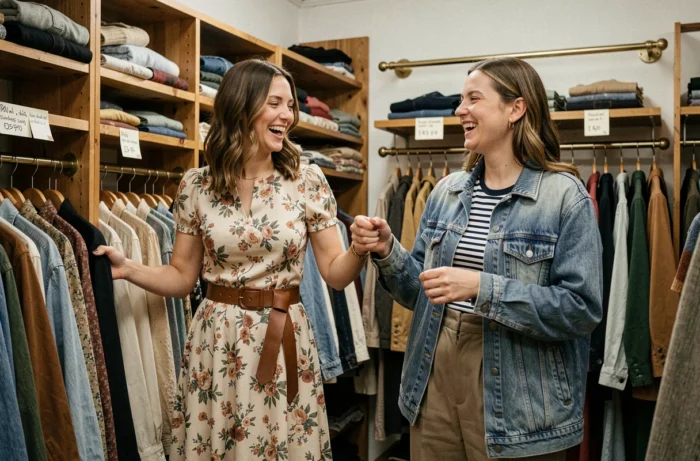
Building a sustainable style with fewer pieces
The acceleration of second-hand and upcoming regulatory constraints push in the same direction: a more limited but better-composed wardrobe. The question is no longer how many clothes to buy, but which ones to keep.
The trends for 2024 facilitate this approach. Romanticism and utilitarianism share common basic pieces (straight pants, light jackets, solid knits). The essentialism of the 90s naturally encourages sobriety. The real styling work is done on accessories and colors, not on multiplying pieces.
A concrete exercise: remove from the wardrobe clothes worn less than three times in the previous season. Those in good condition can be resold. The others reveal impulsive purchases to avoid. This seasonal sorting is the most profitable fashion gesture of 2024, much more than following every micro-trend on social media.
European textile regulation: what changes for buyers
France is already testing a strict framework through extended producer responsibility (EPR) applied to textiles. Recent sector analyses describe this system as a real-world test of the fast fashion economic model. Brands must finance the collection and recycling of their products, which gradually impacts prices.
For consumers, two direct consequences are emerging. New clothes at very low prices will become rarer as compliance costs rise. And second-hand pieces gain relative attractiveness, as they escape these additional costs.
This mechanism reinforces the interest in investing in versatile pieces rather than disposable looks. The fashion trends for 2024, whether romantic, utilitarian, or minimalist, converge towards clothing designed to last several seasons. Unique daily style now relies as much on selection as on purchase.