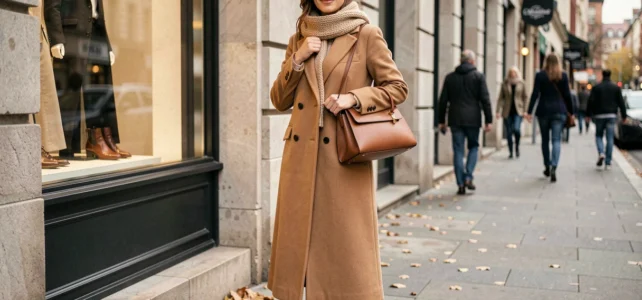
A fashion accessory serves a specific function in an outfit: structuring the silhouette, creating a visual focal point, or adjusting proportions. Choosing the right accessories this season requires understanding the criteria that separate a durable piece from a fleeting purchase, in a context where European regulations are beginning to redefine what “quality” means for a bag, a belt, or jewelry.
European Regulation ESPR and Fashion Accessories: What Changes Are Happening
The European regulation ESPR (EU 2024/1781), in effect since July 2024, applies to almost all physical goods sold in the European Union. Bags, belts, scarves, textile jewelry: all these products are affected.
Sustainability, reparability, and recyclability are becoming regulatory design criteria, not just marketing arguments. Specific delegated acts for textiles and clothing are being prepared for the 2026-2028 period, with minimum requirements for lifespan and incorporation of recycled materials.
For the choice of an accessory, this translates into a direct question: is the piece designed to last several seasons, or is its production based on disposable materials and assemblies? Checking the composition, the strength of the seams, and the possibility of repair is no longer just a purist reflex.
This is a framework that aligns with the direction taken by legislation. By browsing the accessories on Mamzelle H, it is evident that the offered pieces prioritize materials and finishes designed to last through multiple seasons.
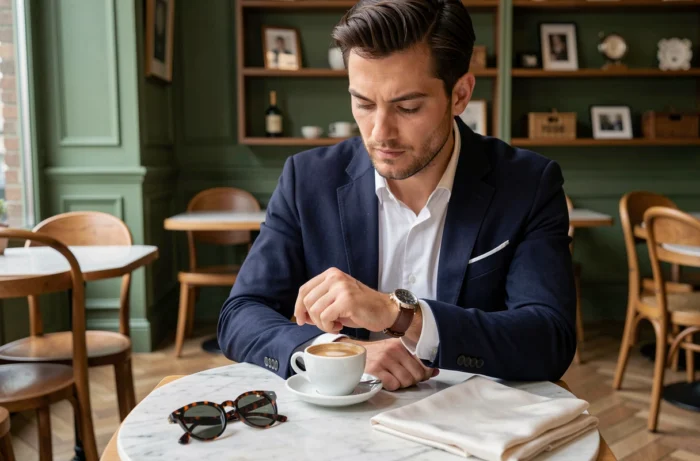
Materials and Finishes: Technical Criteria for Choosing a Durable Accessory
The raw material determines both the visual appearance, comfort, and longevity of an accessory. Two visually similar pieces can have radically different lifespans depending on the treatment of the leather, the type of weaving, or the alloy used for a buckle.
What a Quick Examination Reveals Before Purchase
- The seams: regular, tight stitches without visible loose threads indicate careful assembly. On a bag or belt, the junction seams are the first to give way on a low-quality piece.
- The closures and fasteners: a smooth zipper, metal carabiners (not painted plastic), and buckles whose coating does not chip off after a few weeks.
- The flexibility of the material: quality leather or textile retains a certain flexibility without deforming. A material that is too rigid breaks, while a material that is too soft loses its shape.
- The inner lining: on a bag, a sewn lining is better than a glued lining. Glue can peel off with heat and humidity, a common problem in summer.
These checks take less than a minute in-store and prevent most disappointments after a few weeks of use.
Trendy Fall-Winter Accessories: Anticipate Now
The classic trap is to buy accessories designed for only one season. The most cost-effective pieces in terms of cost per use are those that work across at least two seasons, from spring-summer to fall-winter.
Jewelry and Metals: The Tones That Last Throughout the Year
Jewelry in matte gold or silver metal remains wearable regardless of the clothing palette. Satin finishes absorb light better than shiny finishes, giving them a more discreet and versatile appearance. A fine chain choker or medium-sized hoops pairs well with both a light dress and a turtleneck.
The Bag: A Format Dictates Usage
A bag that is too small requires changing models as soon as you carry more than a phone and keys. A bag that is too large overwhelms slender silhouettes. The medium crossbody format remains the most versatile for daily use, with enough space for a wallet, a paperback, and a water bottle without appearing oversized.
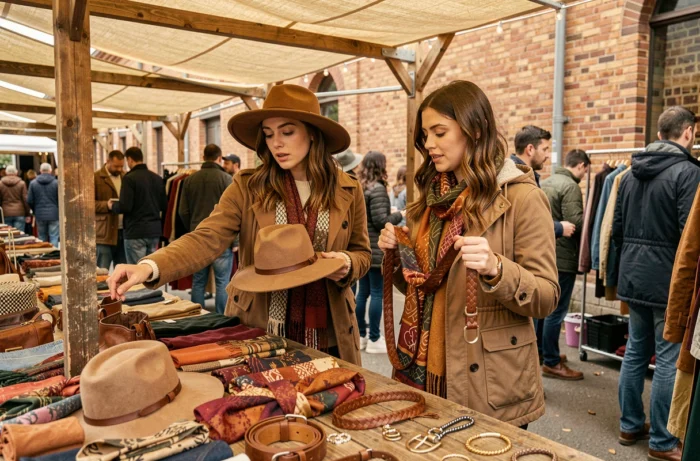
Belt, Scarf, and Hat: Adjusting Style Without Overloading the Outfit
The most misunderstood topic in choosing accessories concerns dosage. Wearing a scarf, a marked belt, large earrings, and a patterned bag creates visual saturation. Limiting points of attention to two strong accessories per outfit produces a clearer effect.
The belt structures a blurred silhouette, especially on straight dresses or high-waisted pants worn with a loose top. A medium-width leather belt (three to four centimeters) works on most body types and outfits, from raw jeans to shirt dresses.
The scarf adds color without a permanent commitment. Tied around the wrist, tucked in the hair, or draped over the shoulders, it changes the look of a monochrome outfit with minimal investment. Scarves made from natural fibers (cotton, linen, blended silk) hold up better than synthetic versions, which tend to slip and wrinkle more.
The hat protects from the sun and frames the face. For the warm season, a medium-brimmed woven straw model covers the shoulders without obstructing peripheral vision. For autumn, a soft felt hat with a short brim adapts to most urban outfits.
Style Consistency: The Rule of Tones
Combining accessories relies on a simple principle: staying within the same family of metallic tones. Mixing gold, silver, and copper in the same outfit fragments the visual whole. Choosing a dominant tone (golden or silver) and sticking to it for jewelry, the belt buckle, and the bag clasps creates immediate coherence.
This logic extends to the colors of the materials. A cognac bag, a camel belt, and tawny sandals form a harmonious ensemble because they belong to the same color range. Replacing just one of these elements with black disrupts the unity without functional reason.
This season’s choice of accessories benefits from being treated as a composition exercise rather than accumulation. Two or three well-matched pieces, made from solid materials and chosen for their compatibility with the rest of the wardrobe, will serve better than a dozen pieces bought on a seasonal whim.